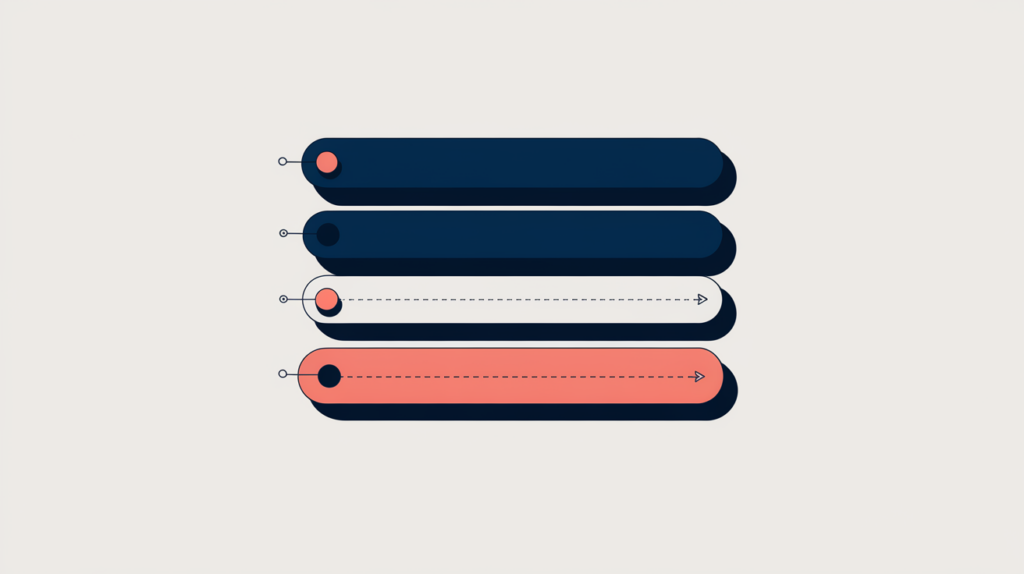
RG-HDG-024 counts how many of a page’s H5 headings begin with a keyword variation. It returns a match count, not a pass or fail — and because a variation only needs to sit at the start of the heading, the rest of the H5 can say anything.
| Factor ID | RG-HDG-024 |
|---|---|
| Family | Headings |
| Measurement | Leading variation match count |
| Measured zone | H5 text |
What it measures
This factor counts the H5 headings on a page that start with a keyword variation. It looks only at the opening of each fifth-level subheading: an H5 qualifies when one of the recognized variations appears at the very beginning of its text. The output is a tally of qualifying H5s across the page — a measure of how often your deepest routine subheadings lead with a variation rather than a count of every place a variation occurs.
How RankGear measures it
RankGear tests each parsed H5 against a case-insensitive expression built from the sorted match-word set and anchored at the beginning of the heading only. Because the pattern is anchored at the start, a variation that appears later in the heading does not count; only a leading variation does. The anchor applies to the front of the heading, so whatever follows the variation is free text.
What RankGear looks for
Variations: "widget", "widgets"
Pattern (case-insensitive, start-anchored): /^(widget|widgets)/i

<h5>Widget mounting notes</h5>   → matches (leading variation)
<h5>Widgets, sizing</h5>         → matches
<h5>About our widget</h5>        → no match (not at the start)
<h5>Widgetry basics</h5>         → matches (no word boundary required)

Anchored at the beginning only; the rest of the heading
may contain any text.How to optimize it
Use a variation at the start of an H5 only when it naturally names a deeply nested topic and preserves a logical outline. Do not restructure headings or insert H5s just to lead them with a variation. Treat this count as an observation about how your lowest-level subheadings open, not as a target to hit — on most pages the right value is low or zero.
Important considerations
- The remainder of the H5 may contain any text; only the opening is tested.
- Prefixes can match without a following word boundary, so a variation like “widget” also matches “widgetry”.
- Variation strings retain their regex meaning in the compatibility calculation, so any special characters in a variation behave as pattern syntax rather than literal text.
- Most pages should not need many H5s; a low or zero count is normal and not a defect.
- This is a correlation-based prioritization signal measured within a result set, not a lever that makes a page rank or guarantees any position.
Related factors
Part of the Factors reference · how RankGear measures · glossary.