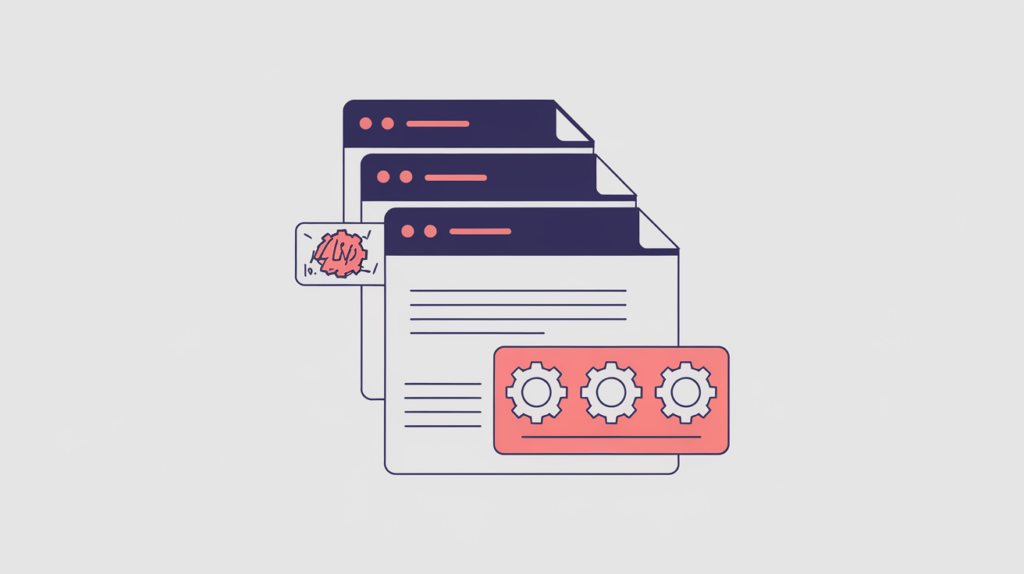
Number of Meta Generator Tags counts the recognized <meta name="generator"> elements in a page’s head that name the software used to build the page. It returns a whole number, and RankGear reads whatever each tag declares without verifying the claimed platform or version.
| Factor ID | RG-MET-014 |
|---|---|
| Family | Meta tags |
| Measurement | Count |
| Measured zone | Rendered, script-free document head |
What it measures
This factor counts the recognized meta elements in the document head that identify the software used to generate the page — the generator declarations left behind by content management systems, site builders, and publishing frameworks. It is a plain count of matched tags, not a judgment about which platform is named or whether that platform is any good.
How RankGear measures it
RankGear parses supported generator meta-tag formats from the rendered, script-free head and counts the captured content values. It reads what each matched tag declares in its content attribute, but it does not verify the claimed platform or version — a tag naming one system and a site actually running another are counted the same way.
What RankGear looks for
<meta name="generator" content="WordPress 6.5">
<meta name="generator" content="Elementor 3.21.0">| Value | Meaning |
|---|---|
| 0 | No recognized generator tag — software identity is not declared in the head (fingerprints may still exist elsewhere). |
| 1 | A single generator declaration — the common, tidy case. |
| 2+ | Multiple generator tags — often layered tooling (CMS plus page builder) or template clutter worth reviewing for duplicates. |
How to optimize it
Treat generator metadata as optional identification, not a number to raise or lower. Whether you keep the tag or remove it, keep the underlying software maintained and secure — the count itself says nothing about the page’s health. If you keep the tag, avoid duplicate generator declarations from overlapping tools, which inflate the count without adding information.
Important considerations
- Count does not measure platform quality — a higher or lower number says nothing about how good the software is.
- Removing a tag does not remove platform fingerprints; other signals still reveal the underlying stack.
- Attribute formatting can affect recognition — nonstandard markup may not be captured.
- Multiple tags may indicate layered tooling or template clutter rather than a problem in itself.
- This is a descriptive count that relates to how a page is built within a measured result set, not a signal that adding or removing the tag will change rankings — correlation is not causation.
Related factors
Part of the Factors reference · how RankGear measures · glossary.